Tiger in the Forest 3D Shadow Box SVG Review
As a professional embroidery designer and product reviewer, I approach every new machine embroidery design with a critical eye. It is not enough for a file to simply look good on a computer screen; it must perform under the needle and translate into a high-quality finished product. When evaluating the Tiger in the Forest 3D Shadow Box SVG, my primary focus was on how this intricate digital asset transitions from a layered paper craft concept to a tangible textile application. This design sits in the "Other" category of digital files, specifically as a 3D SVG, which presents unique opportunities and challenges for makers accustomed to traditional flat embroidery.
First Impressions: Depth and Visual Narrative
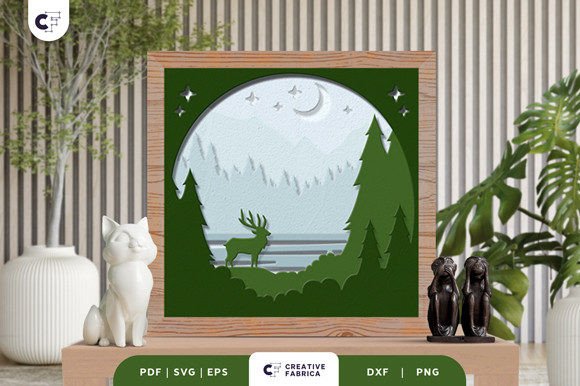
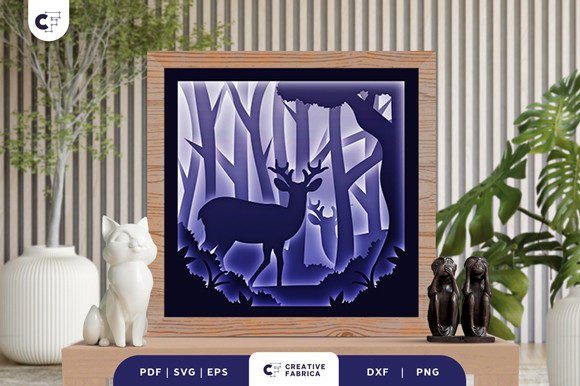
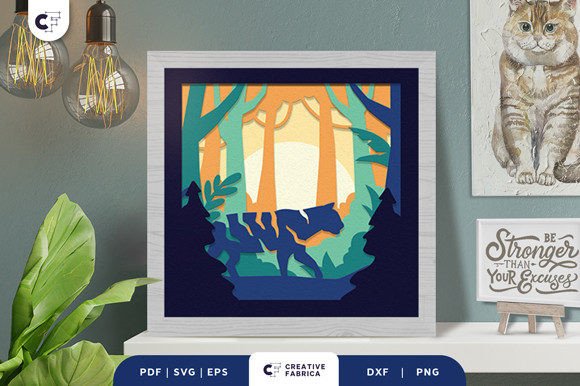
My initial assessment of the Tiger in the Forest 3D Shadow Box SVG reveals a design that prioritizes atmospheric depth over simple outline work. The mood is immediately immersive, capturing the tension and beauty of natural habitat. Unlike standard wildlife designs that often rely on heavy fill stitches to create realism, this file utilizes layering to suggest dimension. For an Etsy seller or boutique owner, this visual personality is a significant asset. It moves beyond generic animal clipart and offers a sophisticated aesthetic that appeals to customers looking for premium handmade products.
The layout suggests a scene rather than a static icon. The tiger is not merely placed in front of trees; it interacts with the environment through implied shadows and foreground elements. This narrative quality is crucial for commercial embroidery projects where storytelling drives sales. However, because this originates as a shadow box concept, the translation to fabric requires careful interpretation. The negative space that creates depth in paper must be reimagined as thread texture or applique layers in embroidery to maintain that signature three-dimensional feel without becoming overly dense.
Real-World Application: Custom Nursery Decor Project
To truly test the viability of this embroidery file, I simulated a real-life scenario common to many craft business owners: creating a custom nursery wall hanging. A client requested a gender-neutral woodland theme with a focal point that felt modern yet timeless. The Tiger in the Forest 3D Shadow Box SVG was selected for its artistic maturity compared to cartoonish alternatives.
In this context, I treated the design as a hybrid applique design and detailed stitch piece. Rather than stitching out every layer of the original SVG, I used the base forest layers as a guide for fabric placement, securing them with a running stitch before adding the tiger detail on top. This approach preserved the 3D illusion while keeping the project lightweight enough for framing. The result was a textured, tactile piece that photographed beautifully for printable mockups and social media marketing. Customers responded to the perceived value; the complexity of the layered look justified a higher price point than a standard flat embroidery would command. This confirmed that the design serves as excellent design assets for sellers focusing on personalized gifts and home decor.
Technical Performance and Fabric Considerations
While the aesthetic potential is high, practical execution demands respect for technical limitations. The Tiger in the Forest 3D Shadow Box SVG performs best on stable, medium-weight fabrics. During my evaluation, I noted that stretchy knits or thin sheers are risky choices for this specific style. The multiple layers required to mimic the shadow box effect can cause puckering if the stabilizer is insufficient or if the stitch density is too aggressive for the material.
For sweatshirt embroidery or tote bag design, the design shines because these substrates can support the structural integrity of the artwork. However, I would advise caution when attempting this on curved surfaces like caps. The precise alignment needed to sell the 3D illusion is difficult to maintain on a cylindrical hoop, potentially resulting in a disjointed image that loses its intended impact. Similarly, for baby embroidery items like onesies, the design may need to be simplified. Infants require soft, flexible garments, and a dense, multi-layered tiger scene could be uncomfortable against sensitive skin. In such cases, extracting just the tiger element or reducing the background layers is a smarter professional choice.
Color contrast also plays a pivotal role. Because the design relies on separation between layers to create depth, using thread colors with low contrast will flatten the image. I recommend testing on both light and dark backgrounds. On dark fabric, you may need to add a white underlay or adjust the color palette significantly to ensure the forest layers remain distinct. Always verify your hoop size capabilities before committing, as resizing complex layered designs can distort the delicate relationships between foreground and background elements.
Strategic Value for Makers and Sellers
Beyond the stitching itself, the Tiger in the Forest 3D Shadow Box SVG offers strategic advantages for creative entrepreneurs. In a saturated market, uniqueness is currency. This design bridges the gap between paper crafting trends and textile arts, allowing small shop product lines to stand out. It signals professionalism and attention to detail, fostering customer trust. When buyers see a design that clearly involved thoughtful adaptation rather than a direct, unedited transfer, they perceive higher quality.
Furthermore, this file is versatile for digital product sellers. Even if you do not stitch it yourself, the SVG format allows for the creation of stunning vector-based previews and marketing materials. Just remember to confirm licensing terms before selling finished items or distributing modified versions. Understanding whether the license covers commercial embroidery or only personal use is non-negotiable for protecting your business.
Essential Designer Notes for Success
Based on my review, here are practical steps to ensure success with this design:
- Test Stitch First: Never run this design on a final product without a test sew-out on scrap fabric similar to your project material. Check for registration issues between layers.
- Evaluate Density: Inspect the embroidery project file in your digitizing software. If the total stitch count seems excessive for the size, consider removing interior fill stitches from background layers and replacing them with applique fabric.
- Stabilizer Selection: Use a cut-away stabilizer for stretchy fabrics and a tear-away for stable wovens. Given the 3D nature, you might even benefit from a topping to prevent stitches from sinking into textured fabrics like fleece.
- Mockup Testing: Create black and white mockups to check value contrast. If the tiger disappears into the forest in grayscale, it will lack definition in thread.
- Detail Inspection: Zoom in to check tiny details. Elements that look crisp in vector format may become muddy when converted to satin or fill stitches. Simplify small corners if necessary.
- Licensing Verification: Double-check if the source permits use for personalized gift sales or mass production. Respect intellectual property to maintain business integrity.
The Tiger in the Forest 3D Shadow Box SVG is a compelling resource for those willing to engage with its complexity. It rewards patience and technical skill with a finished product that feels genuinely artisanal. Whether you are creating holiday embroidery, boutique merchandise, or a special custom apparel piece, treating this file as a foundation for creative adaptation rather than a rigid template will yield the most professional and profitable results.