Animal in the Forest 3D Paper Cut SVG Review
As a designer who spends more time behind an embroidery machine than a computer screen, I approach every new digital asset with a healthy dose of skepticism. When I first opened the Animal in the Forest 3D Paper Cut SVG, my immediate reaction was not just about the aesthetic beauty, but about translation. How does a design rooted in the concept of layered paper actually perform when converted into thread? This review evaluates this specific machine embroidery design from the perspective of a maker preparing for real-world production, specifically focusing on its viability for commercial and personal projects.
First Impressions: Translating Paper Layers to Thread
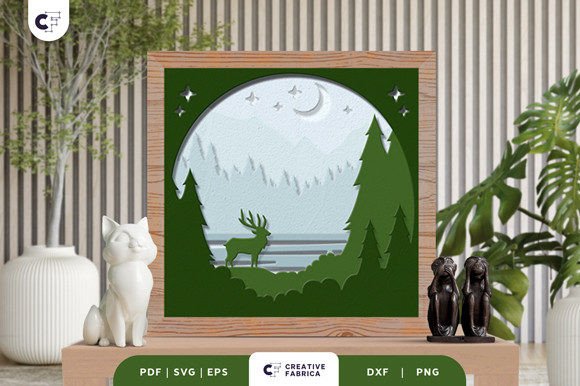
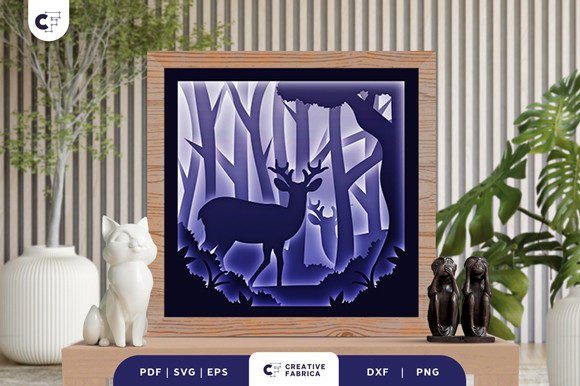
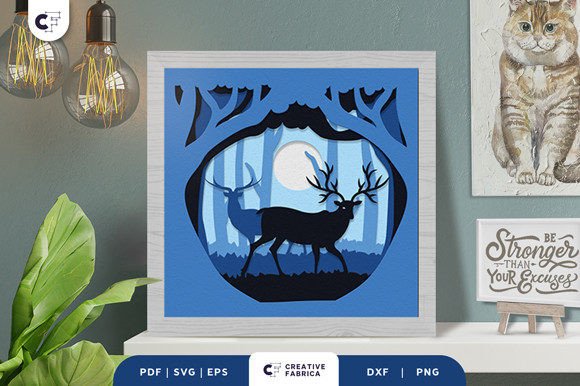
The product description calls this file a masterpiece showcasing nature’s wonder, featuring enchanting reindeer in a night forest. Visually, the 3D paper cut style relies heavily on distinct separation between layers to create depth. In the digital preview, this looks crisp. However, as an experienced reviewer, I am looking at how those "paper" edges will render as stitches. A successful applique design or layered effect in embroidery requires precise registration. If the layers do not align perfectly, the 3D illusion collapses into a messy pile of thread.
This design feels inherently suited for items that benefit from texture and storytelling. It is not a generic clip-art deer; it has a specific moodiness that suggests evening wear, nursery decor, or high-end holiday gifts. For an Etsy seller or boutique owner, this visual personality is a major asset because it stands out against flat, cartoonish alternatives. The challenge lies in execution. The "night forest" theme implies darker backgrounds, which brings us to our first practical consideration regarding contrast and visibility.
Real-World Application: The Custom Sweatshirt Test
To truly evaluate this embroidery file, I mentally placed it in a current client scenario: creating a premium unisex sweatshirt for a small shop’s winter collection. Sweatshirts are a staple for custom apparel, but fleece presents unique challenges. The pile of the fabric can swallow fine details, especially in designs mimicking delicate paper cuts.
In this scenario, the Animal in the Forest 3D Paper Cut SVG would serve as a centerpiece back print or a substantial chest placement. For a sweatshirt embroidery project, I would prioritize using a heavy-weight tear-away stabilizer combined with a water-soluble topping to prevent the fleece texture from pushing through the stitches. The 3D aspect of this design likely utilizes varying stitch heights or layering techniques. On a sweatshirt, these layers need enough stitch density to cover the fabric completely without becoming bulletproof. If the digitizer has optimized the file correctly, the reindeer should appear to float above the garment rather than sinking into it.
For commercial embroidery purposes, this design also translates well to tote bag design. Canvas provides a stable, flat surface that honors the precision of a paper-cut style. Unlike stretchy knits, canvas allows the sharp edges of the forest silhouette to remain crisp. This makes it an excellent candidate for eco-friendly holiday merchandise where the natural theme aligns with the product's ethos.
Navigating Fabric Limitations and Hoop Constraints
While the design is versatile, there are environments where I would advise caution. As a 3D SVG categorized under "Other," this file type often bridges the gap between laser cutting and embroidery. If you are adapting this strictly for needlework, be wary of small hoop sizes. Intricate forest scenes lose their magic when compressed below four inches. The negative space required to define the "3D" effect needs room to breathe.
I would also hesitate to use this on highly textured fabrics like terry cloth or chunky knits without significant modification. The charm of a paper cut style is its clean lines. On a bath towel, those lines may blur unless you use a very aggressive stabilizer strategy. Similarly, for baby embroidery, safety and comfort are paramount. While the aesthetic fits a nursery theme perfectly, ensure the back of the embroidery is smooth. Complex layered designs can sometimes leave rough jump stitch paths on the underside. Always check the trim commands and tie-offs before stitching onto delicate infant garments.
Dark fabrics present another variable. Since this depicts a "Night Forest," you might instinctively reach for black navy material. However, if the design relies on shadow effects created by thread color blending, those nuances may disappear on dark cloth. I recommend testing on both light and dark scraps. You may find that a medium-toned background offers better dimensionality than pure black, allowing the lighter thread layers to pop effectively.
Impact on Product Value and Customer Perception
Why does this specific design matter to your business? Because customers associate complexity with value. A simple outline stitch reads as basic; a multi-layered, dimensional forest scene reads as artisanal. When listing a handmade product online, the perceived effort directly influences pricing power. Using the Animal in the Forest 3D Paper Cut SVG signals to buyers that you are offering something beyond mass-produced fast fashion.
For digital product sellers offering this as part of a bundle or standalone download, presentation is key. Your printable mockup must accurately represent the stitched reality. Do not simply show the vector art; show a photo of the actual embroidery. Buyers need to see how the satin stitch borders interact with the fill stitch interiors. Trust is built when the finished product matches the digital promise. If you are selling physical goods, this design works exceptionally well for personalized gift sets, perhaps paired with matching ornaments or pillow covers, creating a cohesive brand narrative around woodland themes.
Critical Designer Notes for Successful Stitch-Outs
Before you commit this design to a final embroidery project, please adhere to these professional best practices:
- Verify File Compatibility: As this is marketed as a 3D SVG, confirm the package includes standard embroidery formats (PES, DST, JEF, etc.). An SVG is primarily a vector format; ensure you have the actual digitized embroidery file before purchasing.
- Test Stitch Density: Run a sample on scrap fabric identical to your final project. Check if the layers register correctly. If gaps appear between the "paper" layers, adjust your pull compensation or add an underlay.
- Stabilizer Selection: For woven fabrics, a cut-away stabilizer usually supports complex 3D designs better than tear-away, preventing distortion over time. For knits, always use a fusible backing to minimize stretch during hooping.
- Thread Color Validation: Monitor charts are suggestions, not laws. Compare your physical thread colors against the design requirements. The "night" atmosphere depends on subtle tonal shifts; a wrong shade of blue can flatten the entire image.
- Licensing Check: Before selling any finished product or including this in design assets for resale, read the license terms explicitly. Confirm whether commercial use is permitted and if there are limits on production quantity.
- Maintenance Considerations: If using this for items requiring frequent washing (like baby clothes or kitchen towels), ensure the design is secured with adequate lock stitches. Paper cut styles with exposed edges can fray in the wash if not properly finished.
Final Verdict for Makers and Sellers
The Animal in the Forest 3D Paper Cut SVG is a compelling choice for creators looking to elevate their portfolio beyond standard embroidery. Its strength lies in its atmospheric depth and suitability for seasonal, nature-inspired merchandise. Whether you are crafting a signature holiday embroidery piece or expanding your shop’s woodland collection, this design offers significant potential.
However, success depends entirely on technical respect for the medium. Treat it as a structured embroidery project requiring proper stabilization, testing, and fabric pairing. When executed with care, it transforms from a digital file into a tangible piece of art that resonates with customers seeking quality and whimsy in equal measure. Always validate your specific machine compatibility and license rights, and let your test stitches guide your final production decisions.