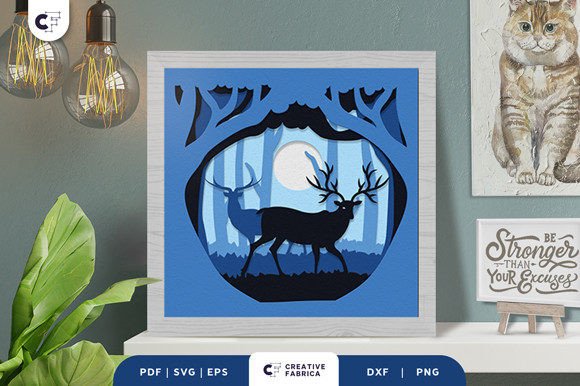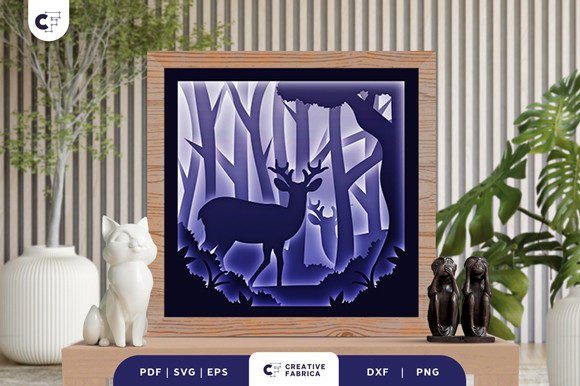
Deer in the Forest 3D SVG Light Box Review
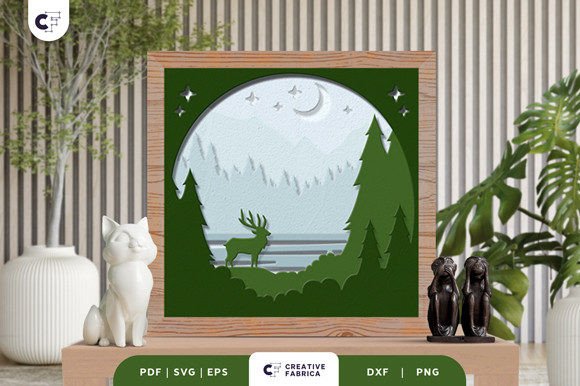
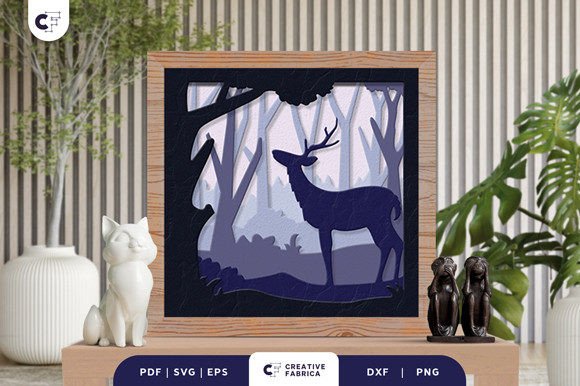
As a handmade business owner who has spent countless hours testing digital files for physical production, I approach every new graphic design asset with a critical eye. When I first opened the Deer in the Forest 3D Light Box file, I wasn't just looking for pretty artwork; I was evaluating its viability as a profitable Etsy product. My immediate impression was one of serene elegance. Unlike many nature-themed design assets that lean too heavily into cartoonish or overly rustic aesthetics, this template strikes a sophisticated balance. It evokes a cozy, premium mood that appeals to adult buyers looking for refined home decor rather than nursery kitsch. The relaxing atmosphere described in the product details translates beautifully to the screen, suggesting a high-end handmade business aesthetic that could justify a higher price point at a craft fair or in an online shop.
Translating Digital Layers to Physical Paper Art
The primary function of this asset is clearly paper cutting, and as a Cricut project or Silhouette project, it requires specific technical scrutiny. In my test run, I treated this as a layered paper art piece intended for a shadow box frame. The 3D SVG structure is logical, but success depends entirely on your material choice. For a design with this level of forest density, I recommend using 65lb to 80lb cardstock. Anything lighter risks tearing during the weeding process, while anything heavier may cause fitment issues within standard shadow box frames.
When assembling the Deer in the Forest 3D Light Box, pay close attention to the spacing between layers. A true 3D effect relies on consistent depth. I used foam tape spacers between each layer to enhance the silhouette effect when backlit. This is where the asset shines brightest. As a standalone paper cut without lighting, it is lovely, but as an illuminated piece, it transforms into a stunning centerpiece. For sellers, this means you can market two distinct products from one file: a traditional papercut art print and a premium LED light box. Always test your LED color temperature against the paper; warm white lights tend to complement the forest theme better than cool white, which can make the shadows look harsh.
Beyond the Shadow Box: Adapting for Sublimation and Vinyl
While categorized under Other in some directories, versatile crafters know that a good illustration should multitask. I extracted individual elements from the Deer in the Forest 3D Light Box to test their viability for other mediums. The deer silhouette itself is robust enough for t-shirt design and tumbler wrap applications. However, because the original file is designed for layering, you must ensure you are using a merged version for sublimation design. Printing individual layers onto fabric will result in misalignment and frustration.
For sticker design and planner accessories, I found the full composition too intricate. Instead, I isolated the foreground foliage and the deer separately to create modular clipart. These smaller elements worked perfectly for printable design layouts and journal embellishments. If you plan to use this for vinyl cutting on mugs or tumblers, simplify the design significantly. Intricate forest details that look beautiful in paper can become unrecognizable blobs when cut from adhesive vinyl at a three-inch size. Always prioritize readability over detail when scaling down for hard goods.
Commercial Viability for Etsy Sellers and Small Businesses
For those running a small business branding initiative or stocking up for the holiday season, this asset offers strong commercial potential. The nature theme is evergreen, meaning it isn't tied to a specific holiday, allowing for year-round sales. However, before listing any finished goods, verify the commercial license terms. Ensure you are permitted to sell physical items made from the file, as licensing for digital product resale often differs from physical product rights.
I envision this Deer in the Forest 3D Light Box performing exceptionally well in the "cottagecore" and "dark academia" niches. It pairs beautifully with serif fonts for a classic look or handwritten scripts for a more organic feel. When creating product mockups for your listing photos, do not rely solely on digital renders. Photograph a real, assembled light box in a dimly lit room to show customers the actual glow and texture. Authenticity sells in the creative marketplace. Buyers want to see how the paper catches the light and how the shadows fall. This tangible proof of quality separates professional makers from hobbyists.
Technical Warnings and Crafting Best Practices
No design bundle is perfect, and honest crafting requires acknowledging limitations. There are specific scenarios where the Deer in the Forest 3D Light Box requires caution:
- Avoid Micro-Cuts: Do not attempt to scale this design below 6x6 inches for paper cutting. The intricate branch details will tear, and your machine blade will dull prematurely.
- Check Line Integrity: Before cutting, inspect the SVG design for open paths or overlapping nodes. Some complex vector files have hidden errors that only appear during the cut simulation.
- Contrast Testing: If using this for print-on-demand apparel, test the contrast against various shirt colors. A dark forest silhouette on a navy shirt will vanish; it needs light backgrounds or a white outline to pop.
- PNG Transparency: If using the PNG design version for digital planning or web graphics, zoom in to check for jagged edges or gray halos around the transparent areas.
- Font Pairing: Avoid overly decorative display fonts that compete with the detailed illustration. Let the deer and forest be the focal point.
Final Thoughts for the Creative Entrepreneur
Integrating the Deer in the Forest 3D Light Box into your production workflow requires a blend of artistic vision and technical discipline. It is a stunning template that captures the essence of nature with a relaxing atmosphere, but its value lies in how you execute it. Whether you are creating a signature Etsy product, designing exclusive craft fair inventory, or expanding your commercial design portfolio, this asset provides a solid foundation.
Remember to treat this as a starting point rather than a final destination. Customize the colors to match your brand palette, adjust the layering to suit your specific frame dimensions, and always prototype before committing to bulk production. By respecting the technical requirements of both the Cricut project workflow and the end-user's expectations, you can transform this digital file into a tangible, profitable masterpiece that resonates with customers seeking beauty and tranquility in their handmade purchases. The key to success in the handmade market is not just having beautiful files, but having the craftsmanship to bring them to life flawlessly.