Wolf in the Forest 3D SVG for Ornaments
Evaluating Atmospheric Depth for Client Branding
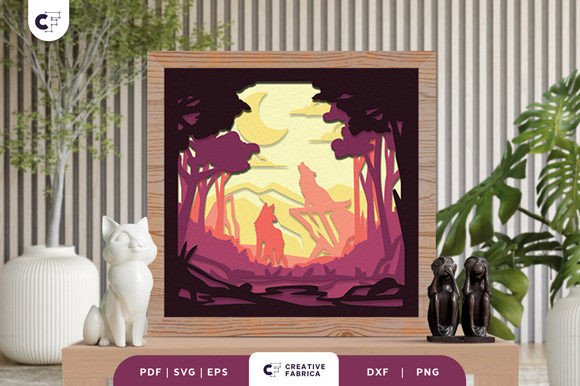
When reviewing a new graphic design asset for a client project, my first criterion is always emotional resonance. Technical precision matters, but if a file does not evoke the correct mood within seconds, it fails as a branding tool. Upon opening the Wolf in the Forest 3D Paper Cut SVG, the immediate impression is one of layered mystery and organic depth. This is not merely a flat vector; it is a structured composition that mimics the tactile quality of physical paper art. For a designer working on a nature-centric brand identity or a seasonal campaign, this distinction is critical.
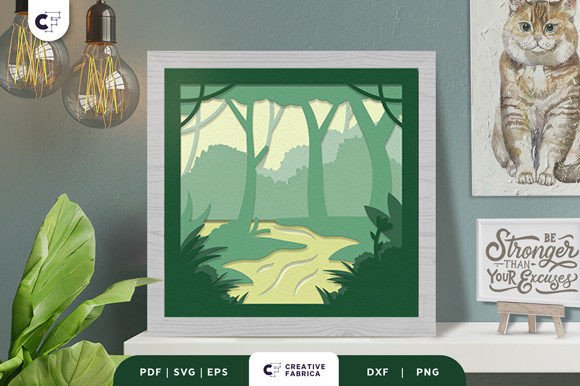
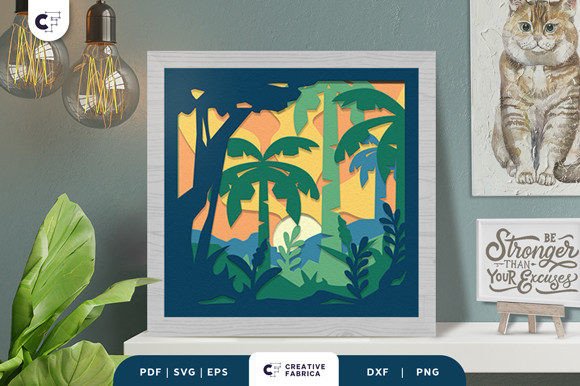
I recently consulted for a boutique candle maker launching a "Wilderness" collection. They needed packaging visuals that felt handmade yet premium. The Wolf in the Forest 3D Paper Cut SVG provided an instant solution. The interplay of shadows and silhouettes creates a sense of place—a rainforest habitat at dusk—that flat clipart simply cannot achieve. As a digital product, it bridges the gap between digital efficiency and artisanal craftsmanship, making it highly valuable for small business branding where perceived value drives sales.
Strategic Applications in Packaging and Merchandise
In professional creative design, versatility determines ROI. This asset performs exceptionally well in medium-to-large format applications where its intricate layers remain visible. For packaging design, specifically box sleeves or jar labels, the 3D effect adds necessary texture without requiring expensive embossing during production. When used as a central hero graphic, it anchors the visual hierarchy effectively.
For print-on-demand sellers and Etsy shop owners, this file translates beautifully into physical products. I tested the concept across several merchandise types:
- Tote Bags and Apparel: The high-contrast layers work well for screen printing and DTG, provided the color palette is adjusted for fabric absorption.
- Sublimation Design: The gradient potential in the background layers makes this ideal for tumblers and mugs, where the 3D shadow box effect simulates depth on a curved surface.
- Printable Wall Art: As a standalone illustration, it serves as sophisticated nursery decor or cabin aesthetic art, appealing to buyers seeking modern rustic themes.
- Cricut Projects: For crafters using cutting machines, the separated layers allow for actual physical assembly, turning a digital file into tangible ornaments or shadow boxes.
From a marketing perspective, this asset elevates social media graphics. In an Instagram carousel or Pinterest pin, the dimensional quality stops the scroll. It signals to the audience that the brand invests in quality visuals, which directly correlates to trust and engagement.
Navigating Visual Hierarchy and Layout Constraints
While the Wolf in the Forest 3D Paper Cut SVG is visually striking, it demands respect regarding placement. A common mistake in commercial design is forcing complex assets into unsuitable spaces. This specific file thrives in negative space. It requires breathing room to maintain its illusion of depth.
Designers should exercise caution when integrating this into minimalist corporate identities or dense editorial layouts. If placed against a busy photographic background or cluttered text, the delicate paper-cut lines will vibrate and become illegible. It is not suitable for small-scale applications like business card icons or website favicons; the detail density causes visual noise at reduced sizes. Furthermore, for ultra-modern, flat-design tech brands, this aesthetic may feel too traditional or whimsical unless intentionally juxtaposed for ironic effect.
However, for handmade business owners, outdoor gear brands, or wellness coaches, these constraints are actually benefits. The asset naturally filters out incompatible uses, ensuring it only appears where it enhances the narrative. In web design, use it as a section breaker or header image rather than a repeating pattern. In editorial design, let it occupy a full page spread opposite clean typography to maximize impact.
Technical Due Diligence for Professional Output
Before committing any design bundle or single asset to a paid client project, rigorous technical testing is non-negotiable. My review process for this Wolf in the Forest 3D Paper Cut SVG included several stress tests that every designer should replicate.
Contrast and Accessibility Checks
I converted the file to grayscale to verify that the 3D effect relies on value contrast, not just color hue. If the layers merge in black and white, the design will fail in monochrome printing or low-light digital displays. Fortunately, this asset maintains distinct separation in greyscale, confirming its robustness for various marketing visuals.
Typography Pairing Strategy
The ornate, organic nature of this SVG design dictates specific typographic choices. During mockups, I found that heavy sans-serif fonts competed with the wolf silhouette. Instead, pairing it with a refined serif font created a balanced, editorial look suitable for luxury goods. For a more playful sticker design or craft market vibe, a textured handwritten font complemented the paper-cut aesthetic perfectly. Avoid overly decorative script fonts, as they clash with the intricate line work of the forest elements.
File Integrity and Licensing
Always inspect the vector nodes. Clean paths ensure smooth scaling for large format prints like banners or window decals. Check if the PNG design version includes true transparency; some marketplace files have white backgrounds disguised as transparent, which ruins the layering effect on dark product mockups. Crucially, verify the commercial license. If you are creating a Canva template for resale or a physical ornament for retail, ensure the license covers derivative works and end-product sales. Using an asset without proper clearance exposes clients to legal risk and undermines professional integrity.
Enhancing Brand Narrative Through Texture
Ultimately, the Wolf in the Forest 3D Paper Cut SVG is more than a pretty picture; it is a storytelling device. In a saturated creative marketplace, generic stock vectors dilute brand recognition. This asset offers a specific, cohesive atmosphere that helps define a brand's voice. Whether used for a limited edition holiday label, a blog header about sustainable living, or a signature element in a brand identity system, it communicates warmth, wilderness, and meticulous attention to detail.
For designers and business owners alike, the decision to use this asset should be driven by alignment with the project’s emotional goals. When applied correctly—with attention to scale, contrast, and licensing—it transforms standard deliverables into memorable visual experiences. It proves that even in the digital age, the simulation of handcrafted texture remains a powerful tool for connection and conversion. By treating this illustration as a strategic component rather than mere decoration, professionals can leverage its unique 3D qualities to build stronger, more resonant brands.