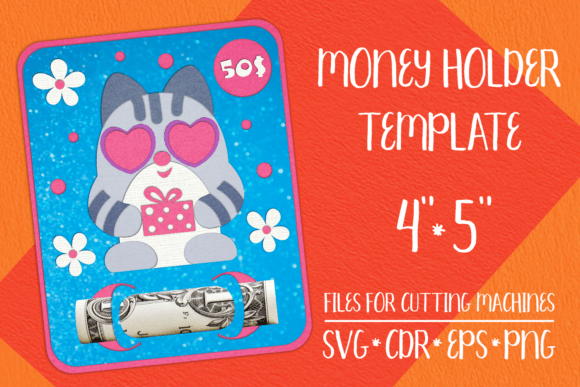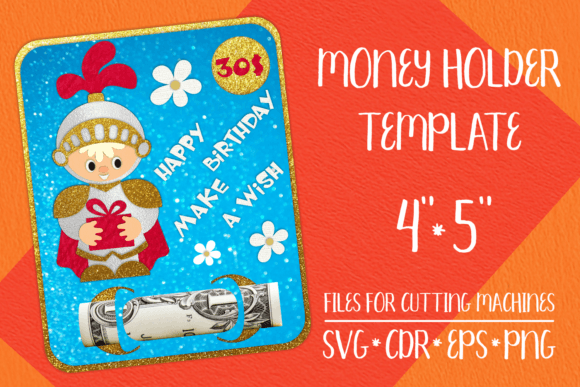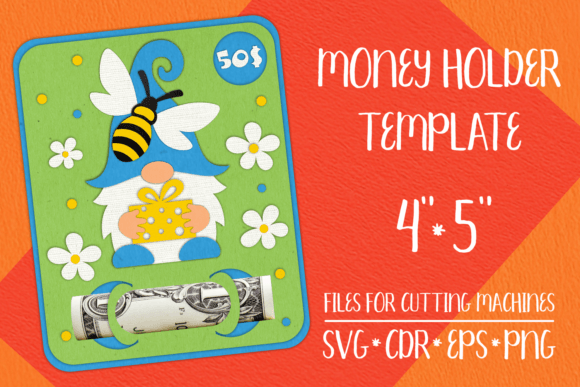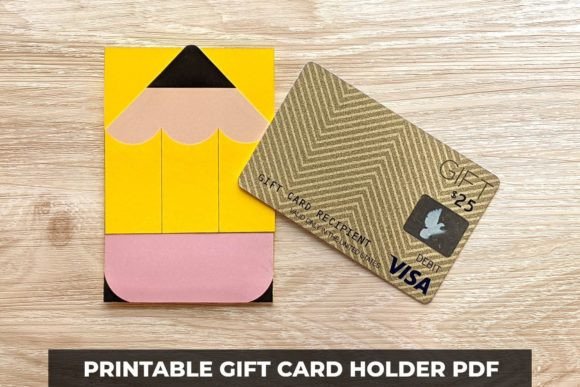
Witch Halloween Card Money Holder Review
As a designer who constantly bridges the gap between digital assets and tangible, stitched goods, I approach every new file with a healthy dose of skepticism. When I first opened the Witch Halloween Card Money Holder template, I wasn't just looking for a cute seasonal graphic; I was evaluating its structural integrity for real-world production. This isn't merely a flat image; it is categorized as a 3D SVG within the Shapes category, which immediately signals that this design relies on construction and assembly rather than just surface decoration. For those of us running a craft business or managing an Etsy shop, understanding how a digital embroidery file translates into a functional, three-dimensional object is the difference between a five-star review and a customer return.
First Impressions and Structural Viability
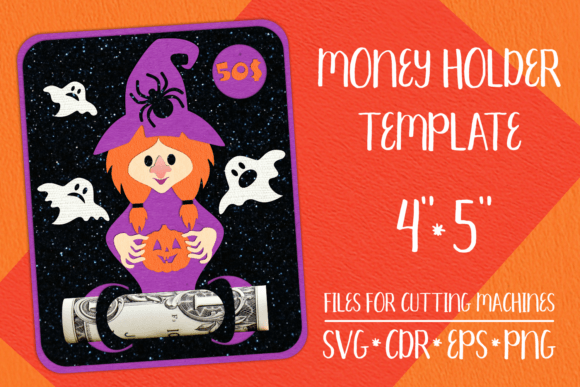
My initial assessment of the Witch Halloween Card Money Holder focused on its silhouette and intended function. The mood is undeniably festive yet sophisticated enough to appeal to adult buyers, avoiding the overly cartoonish aesthetic that can sometimes limit market reach. As a machine embroidery design, the layout suggests a balance between decorative elements and structural seams. Because this is designed for cutting machines as well as embroidery, the registration points are critical. In my experience reviewing similar templates, the success of a money holder depends entirely on how cleanly the fabric layers align during the stitching process.
The 4” x 5” size specification is a significant detail for commercial embroidery planning. This dimension fits perfectly within standard 4x4 hoops while maximizing the usable area, making it efficient for small shop product runs. It is large enough to hold currency or gift cards without feeling bulky, yet compact enough to serve as a personalized gift add-on or a boutique impulse buy. Visually, the witch theme offers excellent opportunities for thread color contrast, allowing for rich purples, oranges, and blacks that pop against lighter base fabrics.
Real-World Application: Stitching for Retail
To truly evaluate this asset, I mentally placed it into a current production scenario: preparing a batch of holiday merchandise for a local craft fair. I envisioned using this embroidery project as a standalone accessory displayed next to higher-priced tote bags and sweatshirts. In this context, the Witch Halloween Card Money Holder serves as an accessible entry-point product. Customers who might hesitate at a $45 embroidered sweatshirt are often willing to spend $12-$18 on a high-quality, handmade novelty item.
When stitching this type of applique design for retail, the tactile experience matters as much as the visual one. I considered how the satin stitch borders would interact with the card slot openings. A common failure point in money holder designs is fraying edges where the fabric is cut. This template appears to account for that by integrating the cutting lines with the embroidery path, but as a reviewer, I must emphasize that your stabilizer choice will dictate the final quality. For a structured item like this, using a tear-away alone is insufficient; a firm cut-away or even a fusible mesh is necessary to prevent the holder from losing its shape after repeated use.
Furthermore, this design has strong potential for customization. As an Etsy seller, I can see value in offering personalization on the back panel or integrating a monogram into the witch’s hat or dress. This transforms a generic holiday embroidery piece into a bespoke keepsake, significantly increasing perceived value and buyer engagement.
Navigating Fabric Choices and Technical Constraints
While the Witch Halloween Card Money Holder is versatile, it demands respect for technical limitations. During my evaluation, I identified several scenarios where caution is required. If you are working with textured fabrics like linen or burlap for a rustic aesthetic, the fine details of the witch’s face or any small lettering may get lost. These intricate areas require a smooth, tight weave to maintain clarity. Similarly, stretchy fabrics are generally ill-advised for this specific 3D SVG application unless heavily stabilized, as the tension required for a functional card slot can distort knit materials.
I also advise testing this design on dark fabrics before committing to a full production run. While the theme suits dark colors, ensuring that the underlay stitches provide adequate coverage without causing puckering is vital. Dense stitch areas, particularly where the money slot is reinforced, can cause fabric tunneling if the tension isn't balanced. Always check your stitch density settings; too dense, and the fabric becomes stiff and unyielding; too sparse, and the structural integrity fails.
For makers considering this for baby embroidery or children's accessories, please verify all safety aspects. While the design is charming, functional money holders involve slits and layered fabric that could pose pinching hazards or trapping risks for very young users. Always prioritize safety over aesthetics when adapting digital embroidery files for sensitive demographics.
Professional Designer Notes for Success
Before you load this embroidery file into your machine for a client project or inventory restock, adhere to these practical guidelines derived from professional testing standards:
- Mandatory Test Stitch: Never skip this step. Use scrap fabric that matches the weight and texture of your final product. Verify that the cutting alignment marks match the satin stitch borders perfectly.
- Software Compatibility Check: The product description explicitly states to ensure you have appropriate software for these file formats. As a 3D SVG intended for cutting machines and embroidery, confirm your ecosystem supports both functions seamlessly before purchase.
- Thread Color Strategy: Create a black and white mockup first to evaluate value contrast. Sometimes colors that look distinct on screen blend together when stitched. Ensure the witch’s features remain readable from a distance.
- Licensing Verification: If you plan to sell finished products or use this in printable mockups for digital sales, review the license terms thoroughly. Confirm whether commercial embroidery use is included or requires an upgrade.
- Hoop Size Confirmation: Although listed as 4” x 5”, always measure the actual stitch field in your software. Some hoops have safety margins that reduce usable space. Ensure your machine can accommodate the full dimensions without hitting limits.
- Stabilizer Pairing: Match your stabilizer to the fabric weight and the design’s density. For a money holder, stability is non-negotiable. Consider using a topping if stitching over plush or high-pile fabrics to keep stitches visible.
Elevating Your Handmade Product Line
The Witch Halloween Card Money Holder represents more than just a seasonal decoration; it is a functional design asset that can drive sales and showcase craftsmanship. When executed correctly, it demonstrates professionalism and attention to detail that builds customer trust. Whether you are creating custom apparel accents, standalone holiday gifts, or expanding your digital product offerings, this template provides a solid foundation.
Ultimately, the success of this embroidery project lies in your preparation. By treating this 3D SVG as a constructed garment rather than a simple patch, you ensure that every finished product leaving your studio meets the high standards your customers expect. Take the time to test, adjust, and refine your process. The result will be a polished, market-ready item that captures the magic of the season while delivering genuine utility and style.