The Parthenon Greek 3D SVG: Editorial Asset Review
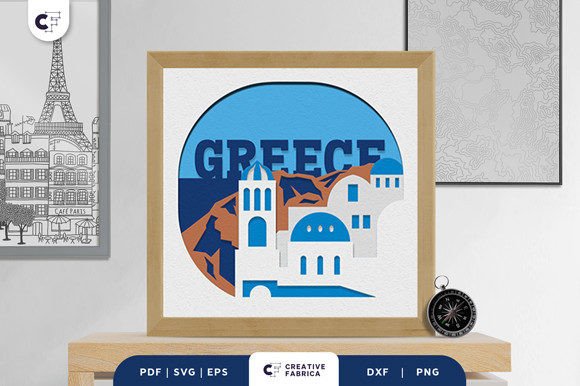
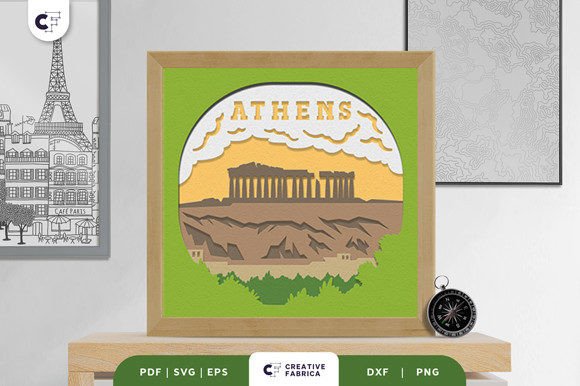
As a digital publisher and blog designer, I constantly evaluate graphic design assets not just for their aesthetic appeal, but for their functional utility in a live publishing environment. When reviewing The Parthenon Greek 3D Shadow Box SVG, my immediate focus is on how this specific 3D SVG translates from a raw vector file to a polished element of editorial design. Athens is a city defined by mesmerizing architectural structures and captivating natural beauty, and this asset attempts to distill that magic into a layered paper-art style visual. For content creators focusing on travel, history, or cultural education within the Countries category, this asset offers a distinct alternative to standard stock photography.
The first impression of The Parthenon Greek 3D Shadow Box SVG is one of intricate craftsmanship and tactile depth. Unlike flat vector illustrations, the shadow box effect creates an immediate sense of dimensionality that mimics physical layering. This establishes an editorial mood that feels artisanal, educational, and culturally respectful. It avoids the sterile look of generic clip art, leaning instead into a modern folk-art aesthetic that signals to readers that the content is curated and thoughtful. For a travel blog or an online history course, this visual texture builds instant reader trust by suggesting high production value before a single word is read.
Strategic Applications in Content Publishing Workflows
In a real-world publishing workflow, versatility is key. I have tested The Parthenon Greek 3D Shadow Box SVG across multiple formats to determine its efficacy as a core design asset. Its primary strength lies in its scalability and clean lines, which make it exceptionally useful for:
- Blog Featured Images: The centered composition works perfectly as a hero image for articles about Greek history, architecture guides, or Athens travel itineraries. The negative space around the temple structure allows for headline overlays without obscuring the main subject.
- Pinterest Pins: Vertical adaptation is seamless. The 3D effect catches the eye in a crowded feed, distinguishing your pin from flat photographic collages. It serves as an excellent anchor for "Greece Travel Guide" or "Ancient Architecture" boards.
- Digital Products and Lead Magnets: If you are creating a digital guide, worksheet, or eBook cover regarding Mediterranean history, this asset provides professional cover art. It elevates a simple PDF download into a perceived premium digital product.
- Newsletter Headers: Email clients often struggle with heavy images. Because this is vector-based (when exported correctly), it remains crisp at various widths, making it ideal for consistent branding in email marketing campaigns.
- Canva Templates: For designers selling templates or managing team workflows, this SVG integrates smoothly into Canva, allowing non-designers to maintain brand identity consistency across social media graphics and presentations.
Enhancing Visual Hierarchy and Click-Through Potential
Visual hierarchy is the silent navigator of user experience. The Parthenon Greek 3D Shadow Box SVG supports stronger content performance by providing a clear focal point. In web design, users scan pages in F-patterns; a complex but organized central graphic arrests this scanning motion effectively. When used as a category thumbnail for a "Countries" or "Europe" section, it offers immediate recognition. Readers do not need to read the label to understand the context; the silhouette of the Parthenon does the heavy lifting.
Furthermore, this asset aids in affiliate marketing and monetization strategies indirectly. High-quality, custom-feeling visuals increase dwell time and reduce bounce rates. When a reader perceives a site as professionally designed through assets like this, they are more likely to trust affiliate recommendations for travel gear, booking platforms, or educational resources. The asset transforms a text-heavy post into a visually balanced content marketing piece that feels authoritative rather than promotional.
Optimal Placement vs. Usage Constraints
While The Parthenon Greek 3D Shadow Box SVG is a powerful tool, it requires strategic placement. Through testing, I have identified where it shines and where publishers should exercise caution.
Where It Works Best
This asset excels in medium-to-large display areas. Hero sections, full-width article headers, and dedicated printable designs are its native habitat. It also performs beautifully as a decorative accent in sidebars or as a watermark-style background element when opacity is reduced. For small business branding focused on niche travel or education, it serves as a memorable visual signature that reinforces the brand's specialization.
Where to Use Carefully
Avoid using this detailed 3D SVG in extremely small mobile thumbnails or favicon-sized applications. The intricate shadow layers can muddy together at low resolutions, losing the defining 3D effect. Additionally, be cautious when placing it against busy photographic backgrounds or textured patterns; the shadow box relies on contrast to create depth. A solid color or subtle gradient background is essential to preserve the illusion of layered paper. Finally, for ultra-minimalist corporate sites or serious legal/financial niches, the craft-like nature of the shadow box may feel too whimsical. Always align the asset’s tone with your specific audience expectations.
Publisher Notes: Technical Testing and Licensing
Before deploying The Parthenon Greek 3D Shadow Box SVG to a live site or including it in a paid printable design, rigorous technical validation is necessary. As experienced publishers know, a beautiful file can still break a layout if not managed correctly.
- Cross-Device Preview: Test the rendered image on both desktop monitors and mobile screens. Ensure the shadows remain distinct and the colors do not shift unexpectedly on different displays.
- Typography Pairing: Experiment with various font styles. This asset pairs exceptionally well with elegant serif fonts for a historical feel or clean sans-serif typefaces for a modern travel guide. Avoid overly decorative script fonts that might compete with the intricacy of the temple columns.
- Contrast and Readability: If overlaying text, ensure WCAG accessibility standards are met. The 3D nature means some areas are darker than others; use text boxes or gradients behind copy to guarantee legibility.
- File Optimization: While SVGs are lightweight, complex shadow box files can contain thousands of nodes. Simplify paths or export as optimized WebP/PNG for web use to maintain fast load speeds. Reserve the raw SVG for print products or editable templates.
- Licensing Verification: This is critical for commercial design. Before using this asset on monetized blogs, affiliate pages, or products for sale, confirm the commercial license terms from the creative marketplace source. Ensure you have the rights to use it in digital downloads and modified template forms.
- Color Customization: Utilize the vector nature of the file to adjust colors to match your specific visual hierarchy and brand palette. A monochromatic version often looks more sophisticated for editorial headers, while full color works best for Pinterest and social media graphics.
Ultimately, The Parthenon Greek 3D Shadow Box SVG is more than just a decorative element; it is a functional component of a sophisticated publishing strategy. By leveraging its unique depth and cultural resonance, bloggers and digital marketers can create content that stands out in a saturated market. Whether used to enhance a website header, beautify a digital download, or strengthen social media graphics, this asset bridges the gap between artistic expression and professional editorial utility. When applied with intention and technical care, it helps transform standard content into an immersive reader experience that honors the timeless beauty of its subject matter.