Grandma Peach Blossom Papercut Light Box Review
As a designer who constantly bridges the gap between digital cutting files and needle-and-thread applications, I approach every new asset with a specific question: Can this survive the transition from screen to fabric? When I first opened the Grandma Peach Blossom Papercut Light Box files, my immediate thought was not about paper crafting, but about how these intricate layers could translate into a mixed-media embroidery project. While marketed primarily as a 3D SVG for shadow boxes, the structural integrity of this design offers surprising potential for textile artists and small business owners looking to create unique, layered handmade products.
First Impressions: Delicate Structure Meets Textile Reality
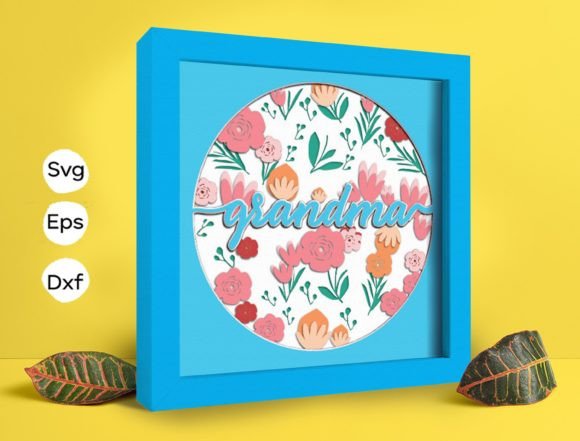
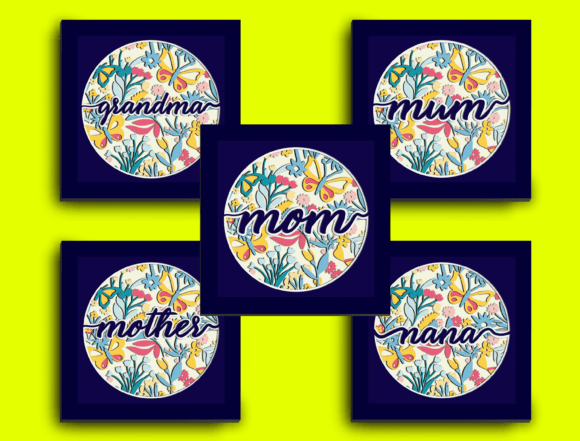
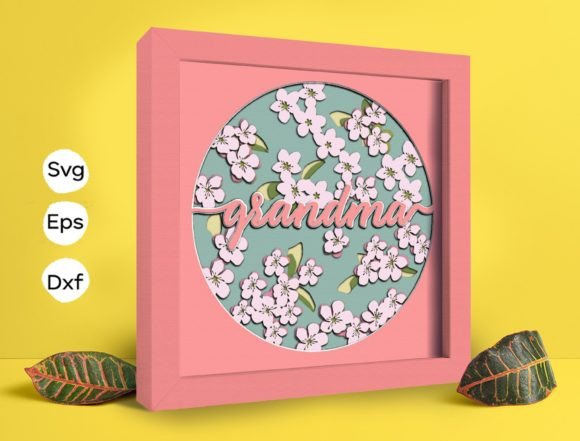
The visual personality of the Grandma Peach Blossom Papercut Light Box is undeniably nostalgic and soft. It evokes a sense of heritage and gentle femininity that resonates deeply with customers seeking personalized gifts or nursery decor. The layout relies on overlapping organic shapes—petals, branches, and framing elements—that create depth through negative space. For an embroidery designer, this negative space is gold. Unlike dense, fully filled machine embroidery designs that can bulletproof a garment, this papercut aesthetic encourages openwork and lighter stitch densities.
However, because this originates as a 3D SVG intended for cardstock, the lines are crisp and uniform. In the embroidery world, uniformity can sometimes look mechanical. My assessment is that this design shines best when treated as an applique design foundation rather than a direct stitch-out. The distinct layers meant for paper assembly map perfectly to fabric layering, allowing you to build dimension physically before the needle ever touches the material.
Real-World Application: The Custom Nursery Pillow Case Study
To truly evaluate this asset, I mentally prototyped it for a recent client request: a custom heirloom pillow cover for a grandmother-to-be. This scenario tests both the aesthetic appeal and the technical durability required for a finished product that will be handled, washed, and cherished.
Using the Grandma Peach Blossom Papercut Light Box as a guide, I envisioned a tone-on-tone sweatshirt embroidery or linen pillow application. Instead of using paper layers, I utilized the SVG outlines to cut fabric pieces with my Cricut, then secured them with a running stitch basting. The result is a textured, raised effect that mimics the original light box depth but with the warmth of cotton and linen. For Etsy sellers and craft business owners, this hybrid approach adds significant perceived value. Customers recognize that this isn't just a standard digital embroidery file stitched out in three minutes; it is a constructed piece of art.
This design also performs exceptionally well for holiday embroidery and spring-themed boutique merchandise. The peach blossom motif is seasonal yet timeless enough to remain relevant year-round in a "cottagecore" or vintage-inspired shop. If you are creating printable mockups for your listings, the clean vector lines of the EPS and DXF files allow for precise digital previews, helping buyers visualize the final embroidered patch or tote bag design before they purchase.
Navigating Technical Limitations and Fabric Choices
While the aesthetic is versatile, practical judgment requires acknowledging where this design demands caution. Because the Grandma Peach Blossom Papercut Light Box features fine, intricate details typical of laser-cut paper, direct translation to satin stitch borders can be risky on unstable fabrics.
- Avoid Stretchy Fabrics Without Support: On jersey knits or lightweight t-shirts, the detailed inner cuts may distort. Always use a high-quality stabilizer and consider a topping to prevent stitches from sinking into the fabric texture.
- Watch the Hoop Size: Intricate papercut styles lose their magic if shrunk too small. Verify your hoop size capabilities before committing. Reducing this design below its optimal threshold may cause the delicate petal separations to merge during stitching.
- Dark Fabric Contrast: This design relies on shadow and layer separation. On dark fabrics, those subtle shadows disappear. You may need to modify the file to include a solid backing layer or adjust thread colors to ensure the peach blossoms read clearly against navy or charcoal backgrounds.
- Washability Concerns: If using this for baby embroidery or kitchen towels, remember that raw-edge applique derived from papercut files can fray over time. Enclose edges with a tight satin stitch or use fusible web thoroughly to ensure the handmade product survives frequent laundering.
Elevating Brand Value Through Intentional Design
In a saturated market of digital product sellers and apparel decorators, differentiation is key. Utilizing a Shadow Box style file like this for textile work signals creativity and adaptability to your customer base. It moves beyond generic clipart and demonstrates a thoughtful design process. When a buyer sees a tote bag or apron featuring the Grandma Peach Blossom Papercut Light Box motif executed with mixed media techniques, they perceive higher craftsmanship.
This attention to detail directly impacts buyer engagement and trust. It shows that you understand how design assets interact with physical materials. Whether you are selling the finished custom apparel or offering the adapted design as a commercial embroidery asset, the professional presentation derived from respecting the source material’s intent sets a higher standard for your brand.
Essential Designer Notes Before You Stitch
Before loading this into your machine or listing it in your shop, adhere to these practical checkpoints to ensure success:
- Test on Scrap Fabric First: Never assume a paper-optimized vector translates perfectly to cloth. Run a test stitch to check registration marks and layer alignment.
- Verify File Compatibility: You will receive SVG (Cricut/Silhouette), DXF, and EPS formats. Ensure your embroidery digitizing software imports these vectors cleanly without node distortion.
- Check Licensing Terms: Confirm whether your license covers selling finished physical products versus digital redistribution. This distinction is vital for Etsy sellers and small shop owners avoiding copyright issues.
- Evaluate Stitch Density: If digitizing this yourself, keep fill stitches light. Heavy density defeats the airy, papercut purpose of the Grandma Peach Blossom Papercut Light Box.
- Mockup in Black and White: Test your contrast values without color. If the design reads well in grayscale, it will have strong visual clarity in thread form regardless of the palette chosen.
Ultimately, the Grandma Peach Blossom Papercut Light Box is more than just a digital cutting file; it is a blueprint for sophisticated, layered textile art. By approaching it with the eye of an embroiderer and the precision of a crafter, you can transform this delicate vector into durable, sellable goods that carry genuine emotional weight. Just remember to respect the physics of thread and fabric, and this design will serve as a beautiful cornerstone for your next creative collection.