3D SVG Pie Box Template for Gift Boxes Review
First Impressions: Structural Integrity and Blank Canvas Potential
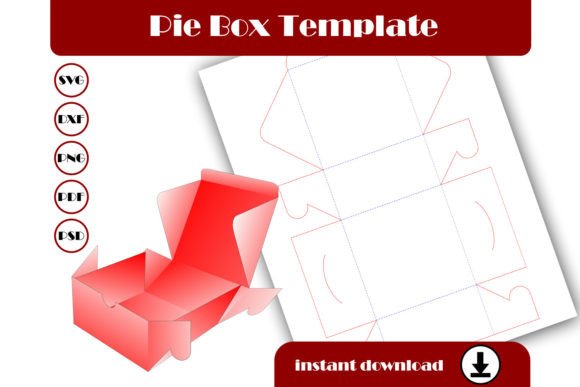
When evaluating a packaging asset for a client project, my primary concern is never just aesthetics; it is structural reliability. As a graphic designer working with artisanal food brands and boutique bakeries, I recently tested the Pie Box Template, Baking Box Template for a seasonal campaign. The immediate value proposition here is utility over decoration. Unlike pre-designed assets cluttered with generic flourishes, this template arrives as a pristine, blank canvas. For a professional designer, this is ideal. It means the graphic design asset serves as a functional chassis rather than a stylistic constraint.
The mood this template establishes is one of authentic craftsmanship. Because it lacks pre-applied logos or imagery, it forces the designer to focus on the geometry of the package itself. In the context of gift boxes, this neutrality allows the brand identity to take center stage without competing with clipart. The included 8.5×11 sheet printable format suggests accessibility for small-scale production, which aligns perfectly with clients who need short-run packaging solutions without industrial die-cutting costs. My first impression was that this is a serious tool for commercial design, specifically tailored for makers who bridge the gap between digital prototyping and physical product delivery.
Elevating Brand Identity Through Functional Packaging Design
In a recent rebrand for a local patisserie, we needed packaging that felt premium but remained cost-effective. The Pie Box Template, Baking Box Template proved instrumental in visualizing the final product before committing to print. This asset shines brightest when used as a foundation for brand identity systems. Because the template includes both a .PSD file for Photoshop and an .SVG file for cutting machines, it bridges the divide between high-fidelity mockups and actual fabrication.
For packaging design, this duality is critical. I utilized the PSD layer structure to apply custom textures, typography, and logo placements, creating a photorealistic product mockup for client approval. Simultaneously, the 3D SVG component allowed us to test the physical assembly using a Cricut machine. This workflow ensures that the visual hierarchy established on screen translates accurately to the folded box. When designing for small business branding, this level of cohesion builds immense trust. The client could see exactly how their new logo wrapped around the corners and where the nutritional information would sit relative to the fold lines.
Beyond pies, this template adapts surprisingly well to adjacent categories. We successfully repurposed it for soap packaging and candle gift sets by simply adjusting the surface graphics. This versatility makes it a valuable addition to any design bundle aimed at handmade business owners. It supports a unified look across different product lines, reinforcing brand recognition through consistent structural form factors even when the contents change.
Technical Performance Across Digital and Physical Mediums
A common pitfall with downloadable templates is poor vector hygiene, but this asset holds up under scrutiny. The SVG design features clean nodes and logical grouping, which is essential for Cricut project success. Jagged paths or unmerged layers can ruin a cut file, yet this template maintained precision during test cuts on cardstock. For designers creating printable design products to sell on Etsy or creative marketplaces, this technical quality is non-negotiable. Your customers expect files that work immediately out of the zip folder.
On the digital front, the template performs robustly in social media graphics and web design. I used the rendered box as a hero image for a landing page, overlaying promotional text in the negative space created by the lid. The blank nature of the template meant I didn't have to spend hours cloning out unwanted elements in post-production. For Pinterest pins and Instagram posts, the 3D perspective adds depth that flat graphics often lack, increasing engagement rates for marketing visuals.
However, users should understand the specific niche of this asset. It excels in large layout areas and thematic collections but requires careful handling in other contexts. It is not suitable for minimalist corporate stationery or dense editorial layouts where subtle background textures are preferred. The bold structural lines of a pie box demand attention; they cannot be relegated to a secondary watermark role. Additionally, while excellent for sublimation design on flat surfaces before assembly, designers must account for distortion at fold points. Always preview your artwork in the assembled state, not just the flat lay, to ensure critical text doesn't disappear into a crease.
Designer Notes: Pre-Flight Checks for Commercial Success
Before deploying the Pie Box Template, Baking Box Template for a paid client project or listing it as a digital product, run through this practical checklist. These steps separate amateur results from professional deliverables:
- Verify Licensing: Always confirm the commercial license terms. Just because a file is editable does not mean you can resell the template itself. Ensure your usage aligns with the creator's permissions for Etsy product listings or client work.
- Contrast Testing: Test your surface designs in black and white first. If the visual hierarchy fails without color, the structural folds will further obscure readability. High contrast is vital for sticker design or labels applied to the box.
- Typography Pairing: The rustic geometry of this box pairs best with serif fonts or organic handwritten styles. Avoid ultra-modern sans-serifs unless aiming for intentional juxtaposition. Test font weights at actual print size; thin lines may vanish on textured cardstock.
- Print Calibration: The 8.5×11 specification assumes standard letter paper. If printing on specialty stock or A4, adjust scaling carefully. Even a 2% variance can misalign glue tabs. Always print a test copy on regular paper before wasting premium materials.
- Vector Editability: Open the SVG in Illustrator or Inkscape to inspect anchor points. If modifying dimensions, ensure you are scaling stroke widths proportionally. Broken vectors lead to failed cuts and frustrated crafters.
- Mockup Realism: When presenting to clients, use smart objects in the PSD file to wrap artwork realistically. Flat previews do not convey the tactile experience of gift boxes. Show the box open, closed, and at angles to demonstrate functionality.
Final Verdict on Versatility and Value
The Pie Box Template, Baking Box Template earns its place in a professional designer’s toolkit not through flashiness, but through reliable adaptability. It solves a specific logistical problem—creating custom packaging without custom dies—while offering enough creative freedom to support diverse brand identities. Whether you are designing t-shirt design merchandise bundles, launching a bakery line, or selling Canva template kits to fellow creators, this asset provides a solid structural foundation.
Its strength lies in its restraint. By providing a blank, technically sound base, it respects the designer's role as the visual author. It avoids the trap of looking like generic clipart and instead functions as legitimate packaging design infrastructure. For those targeting the creative marketplace or serving local artisans, this template offers a high return on investment. It streamlines the path from concept to tangible product, ensuring that the final unboxing experience feels as polished as the digital proof. Just remember to respect the fold lines, verify your licenses, and let the structure serve the brand, not overshadow it.